DEDALO
designed by studioutte

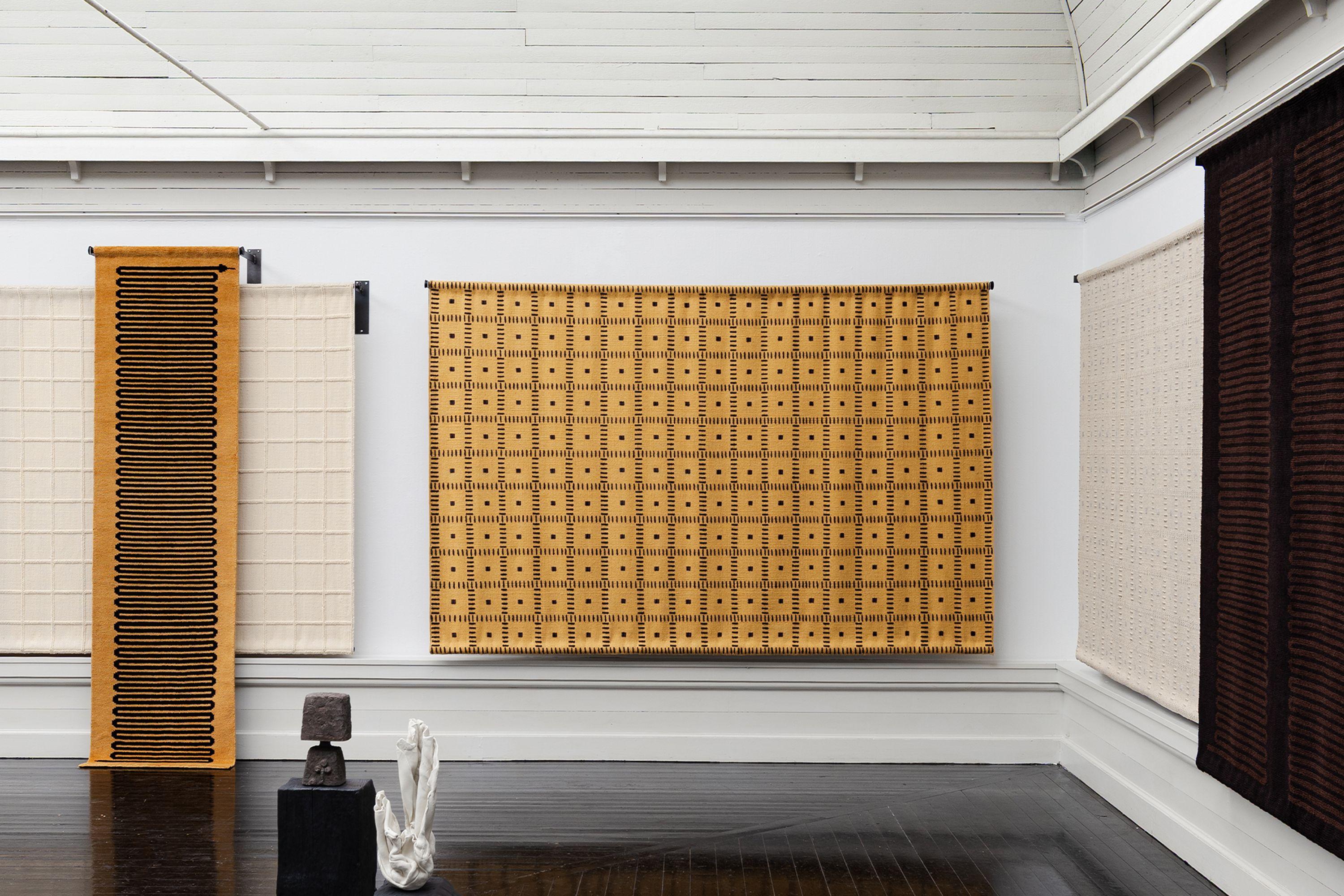
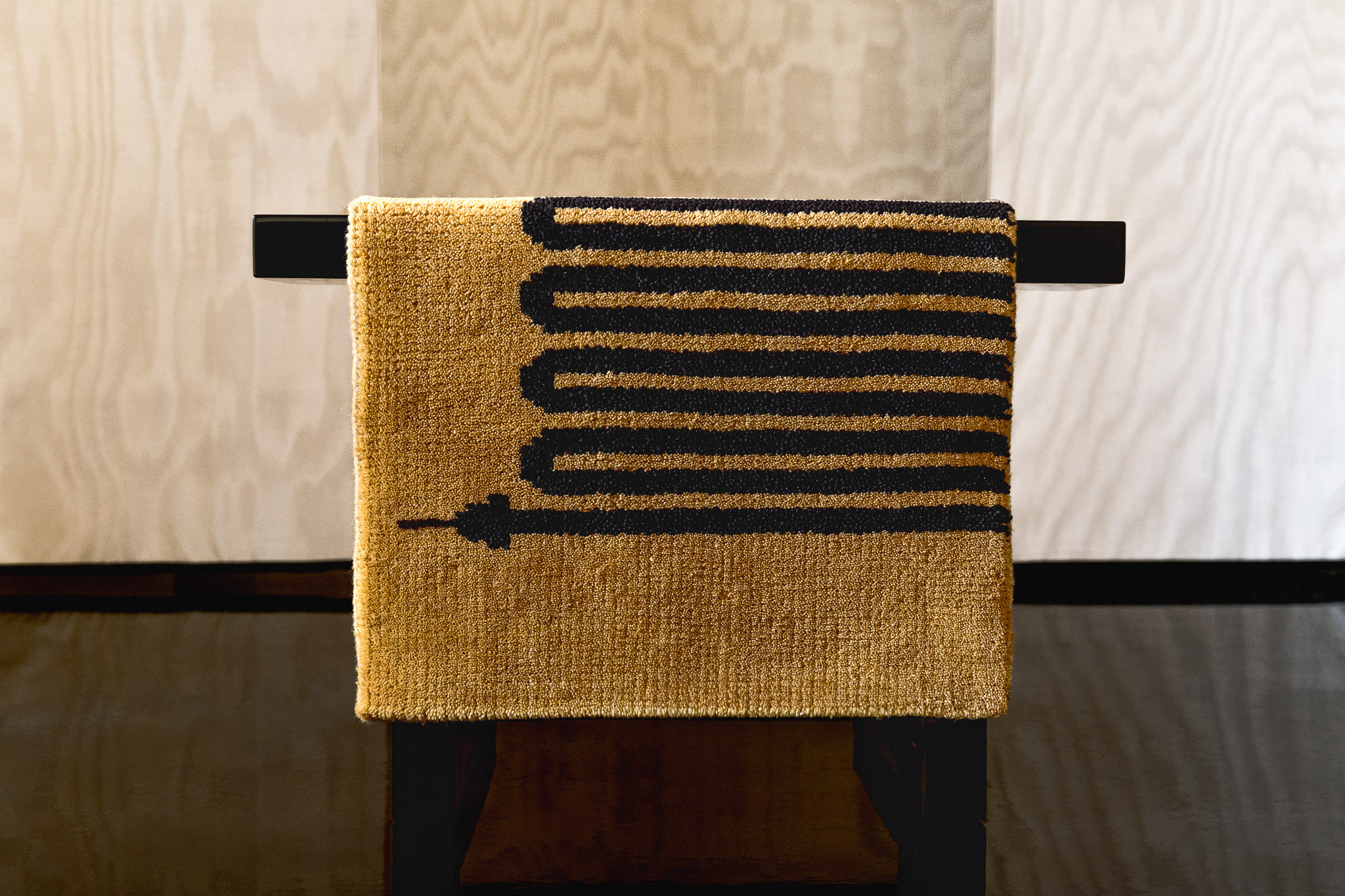
Hydra mustard runner
80x300 cm
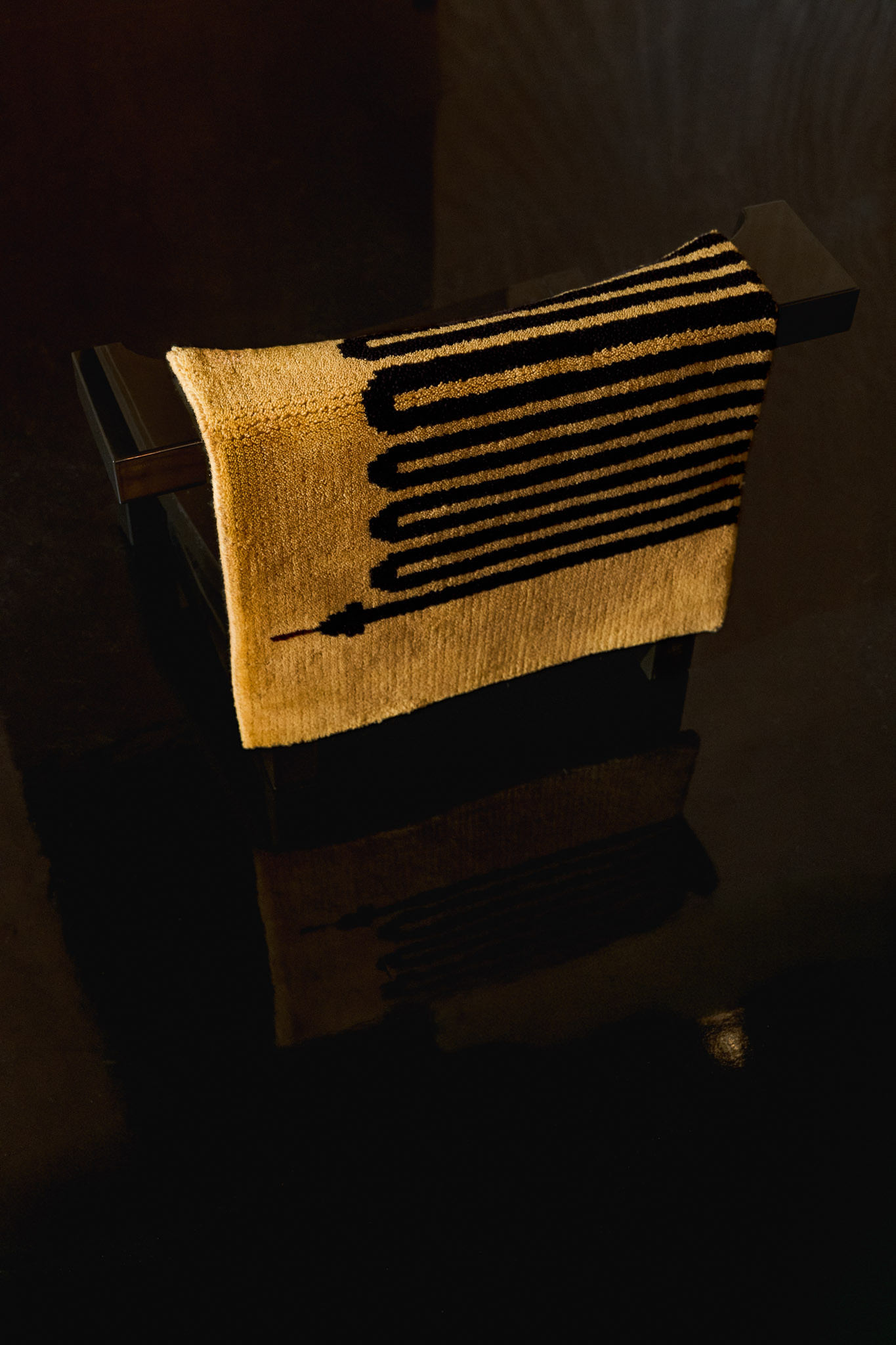
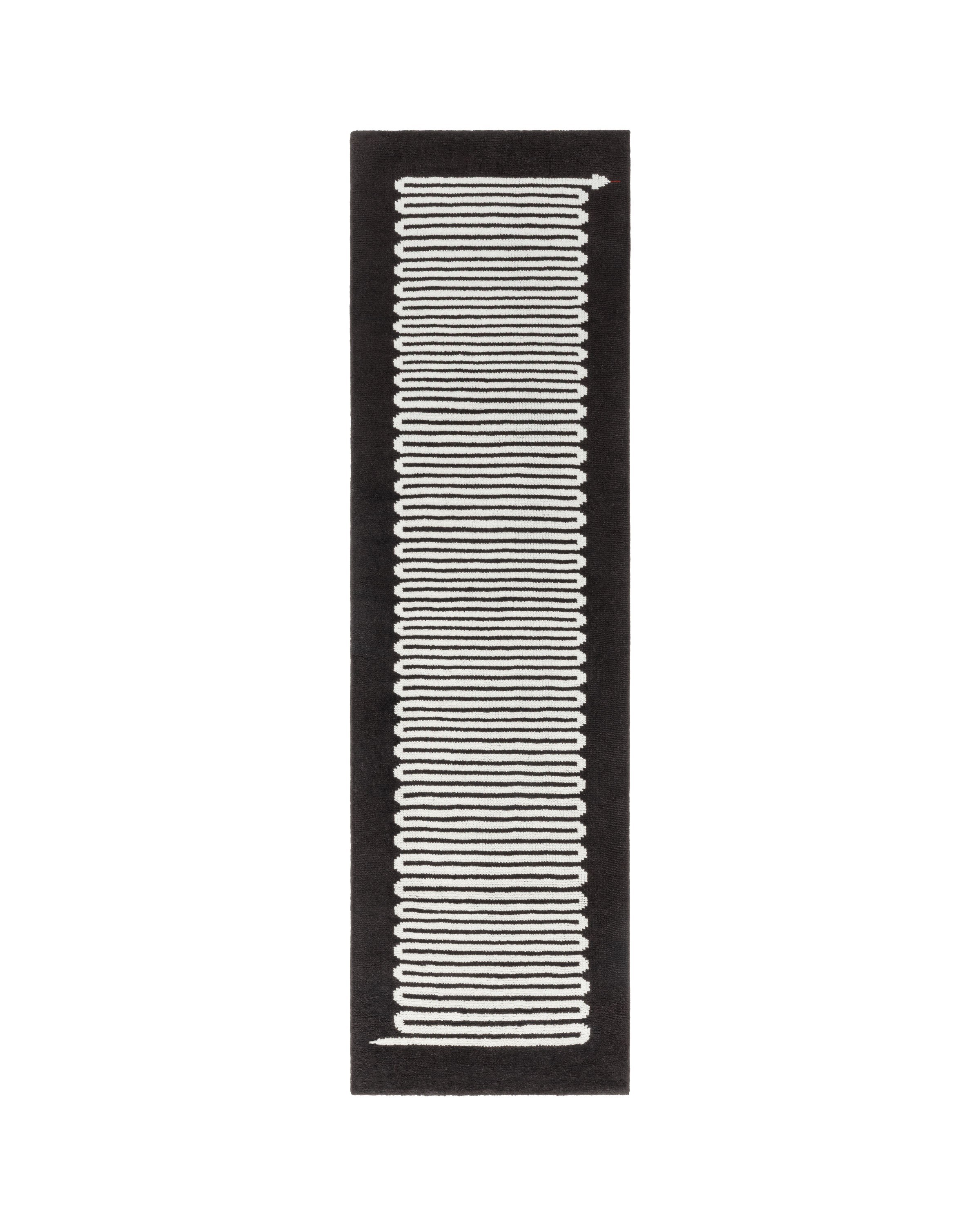
Hydra ebony runner
80x300 cm
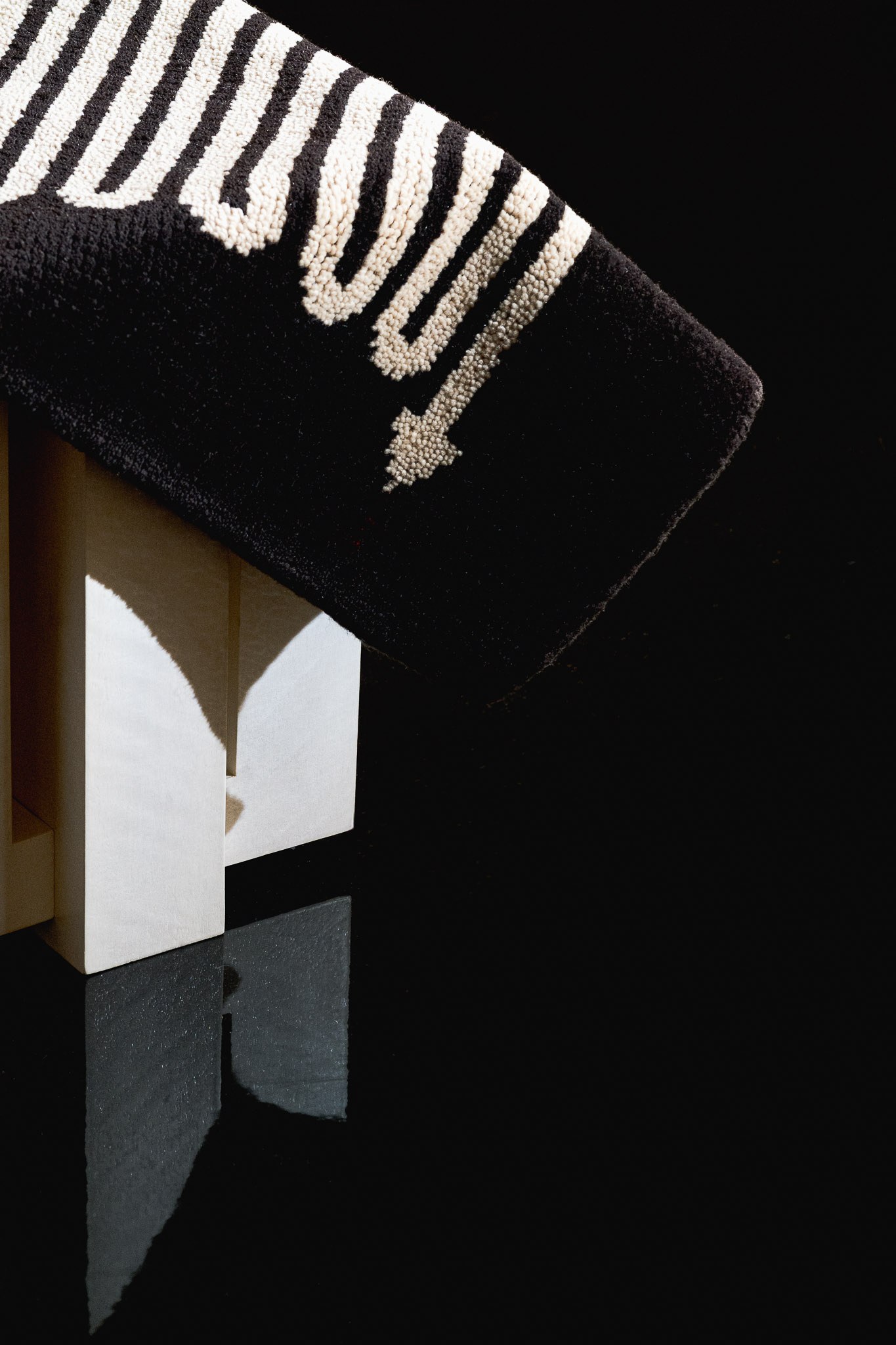

Hydra choco small
170x240 cm


Cnosso mustard medium
200x310 cm


Cnosso bone medium
200x310 cm


Cardo mustard large
300x400 cm

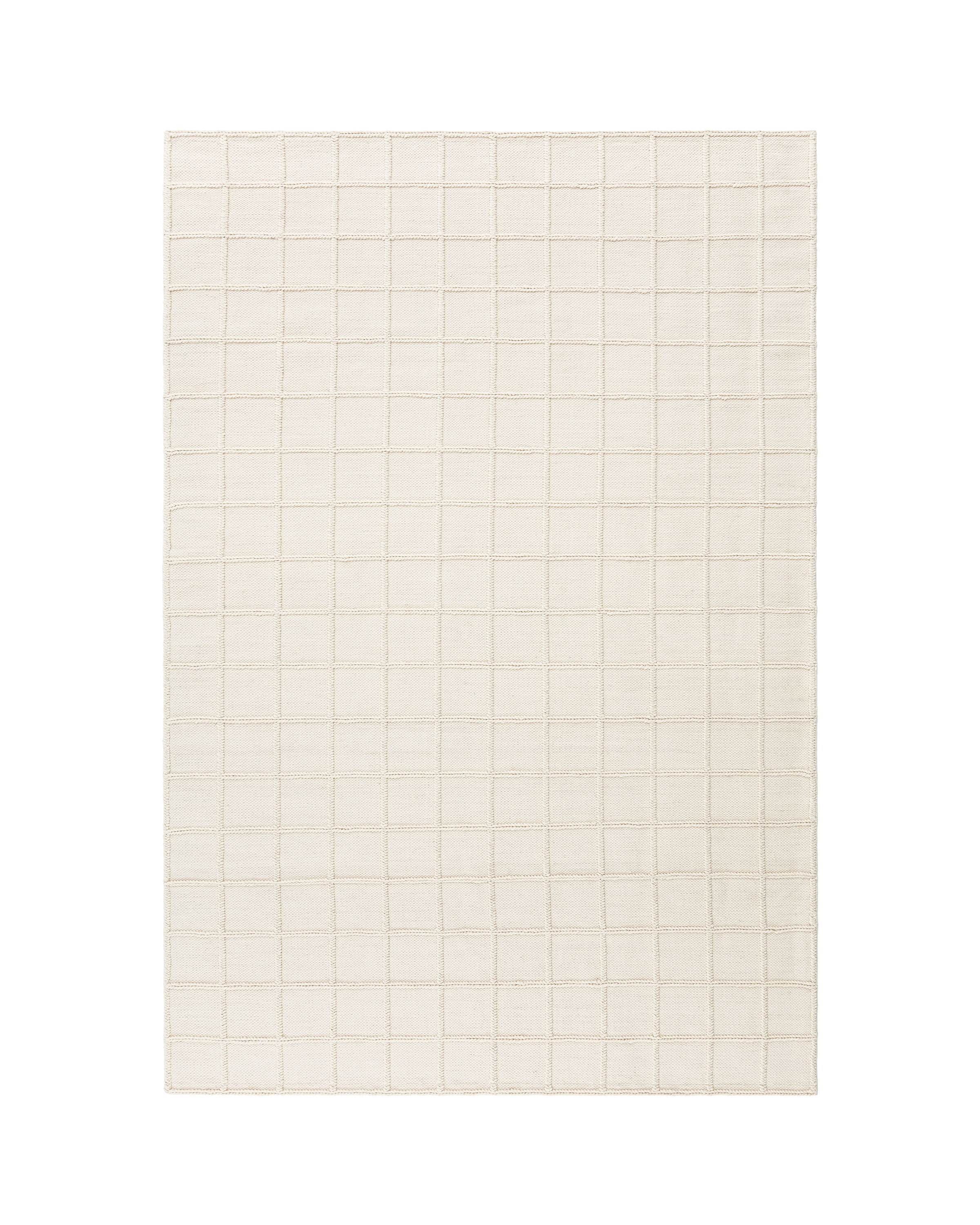
Cardo ivory small
200x300 cm

Hydra mustard runner
80x300 cm
Hydra ebony runner
80x300 cm
Hydra choco small
170x240 cm
Cnosso mustard medium
200x310 cm
Cnosso bone medium
200x310 cm
Cardo mustard large
300x400 cm
Cardo ivory small
200x300 cm
About the collection
Rooted in a dialogue between architecture, geometry, and textile craftsmanship, Dedalo is the new collection by studioutte that investigates the expressive potential of structure through three distinct weave constructions: Hydra, Cardo, and Cnosso. Each design explores a different relationship between knotted surfaces, geometrical compositions, and embroidered threads.
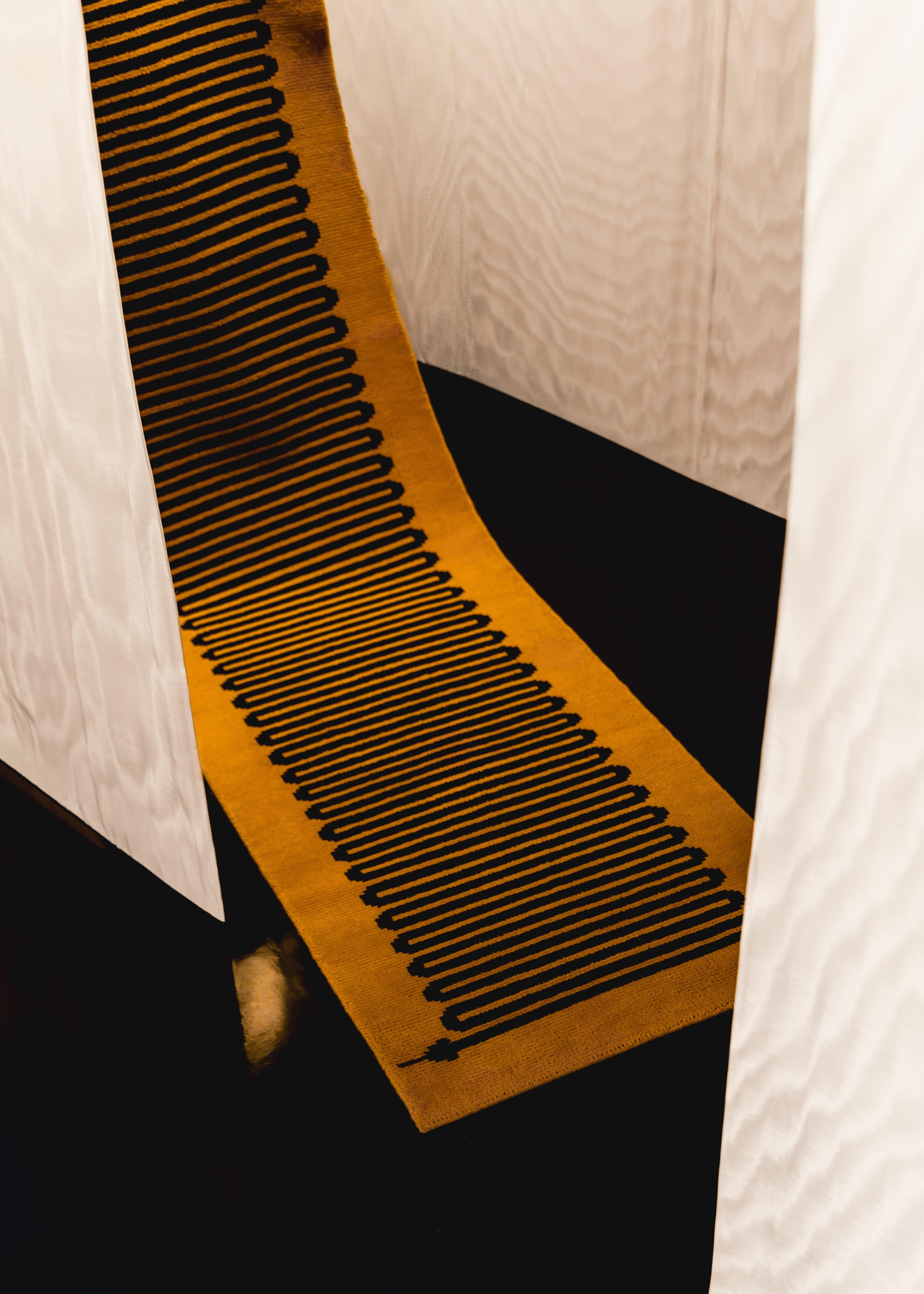
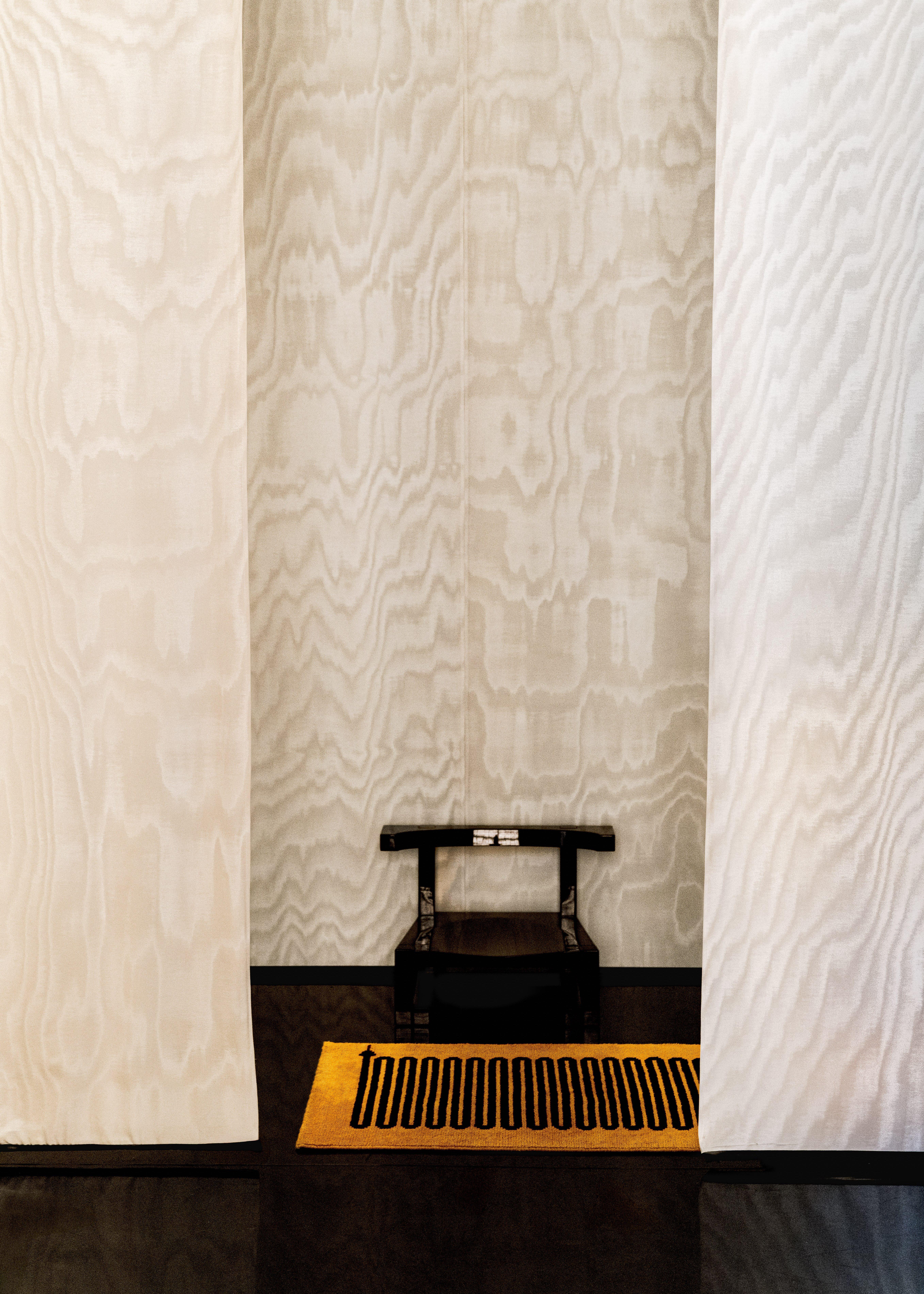

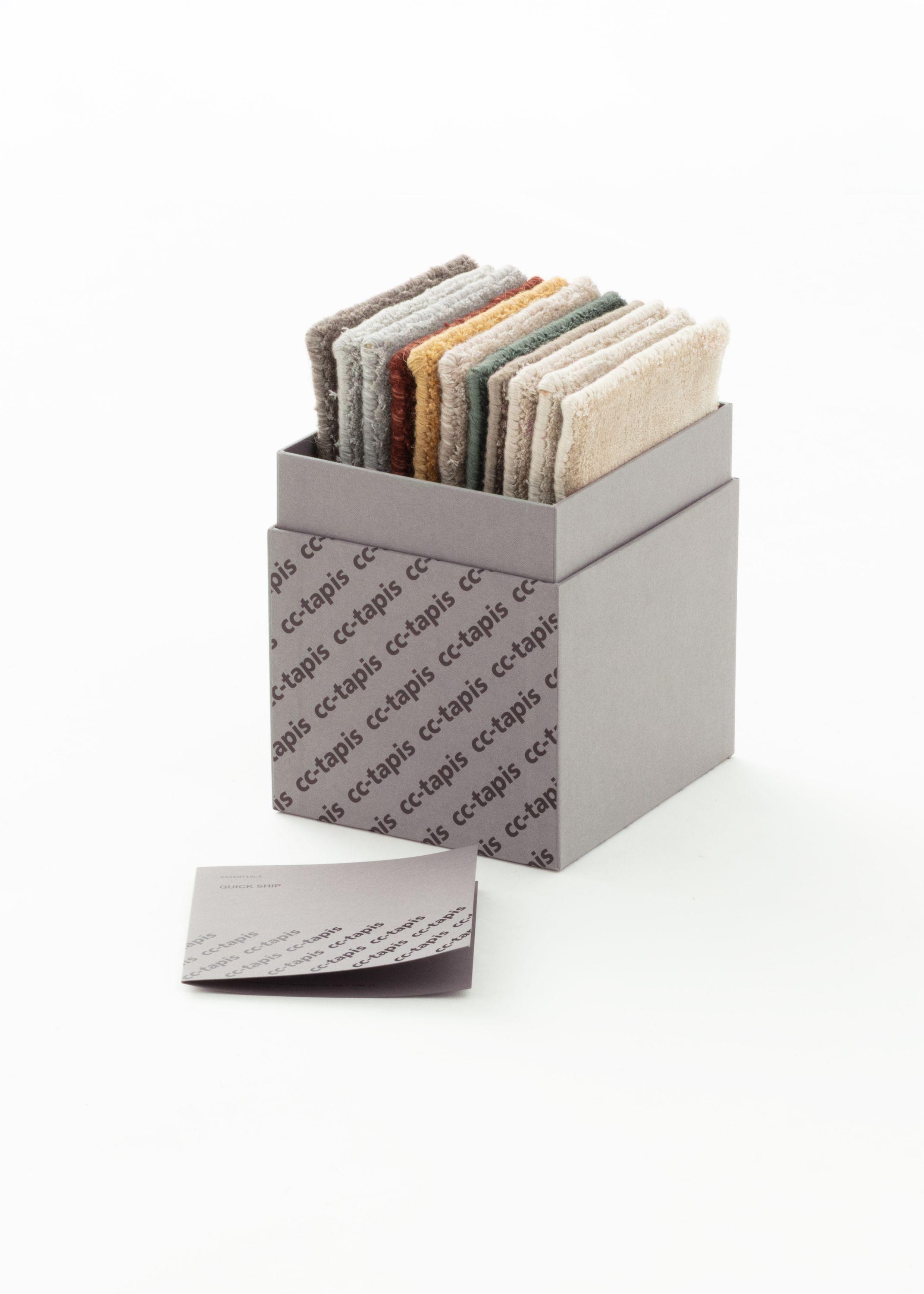
The chromatic palette is built around six tones — choco, ivory, mustard, ebony and bone — tested across multiple combinations.
Drawing inspiration from historical architectural motifs and ornamental systems, the collection translates these references into their most essential forms. Grids, pathways, and modular patterns shift and repeat across the surface, forming rhythmic configurations that emphasize continuity, and recurrence. Here, ornament and repetition converge as a shared logic, echoing the recurring gesture at the core of all textile practices, where meaning and form emerge through the quiet persistence of reiteration.
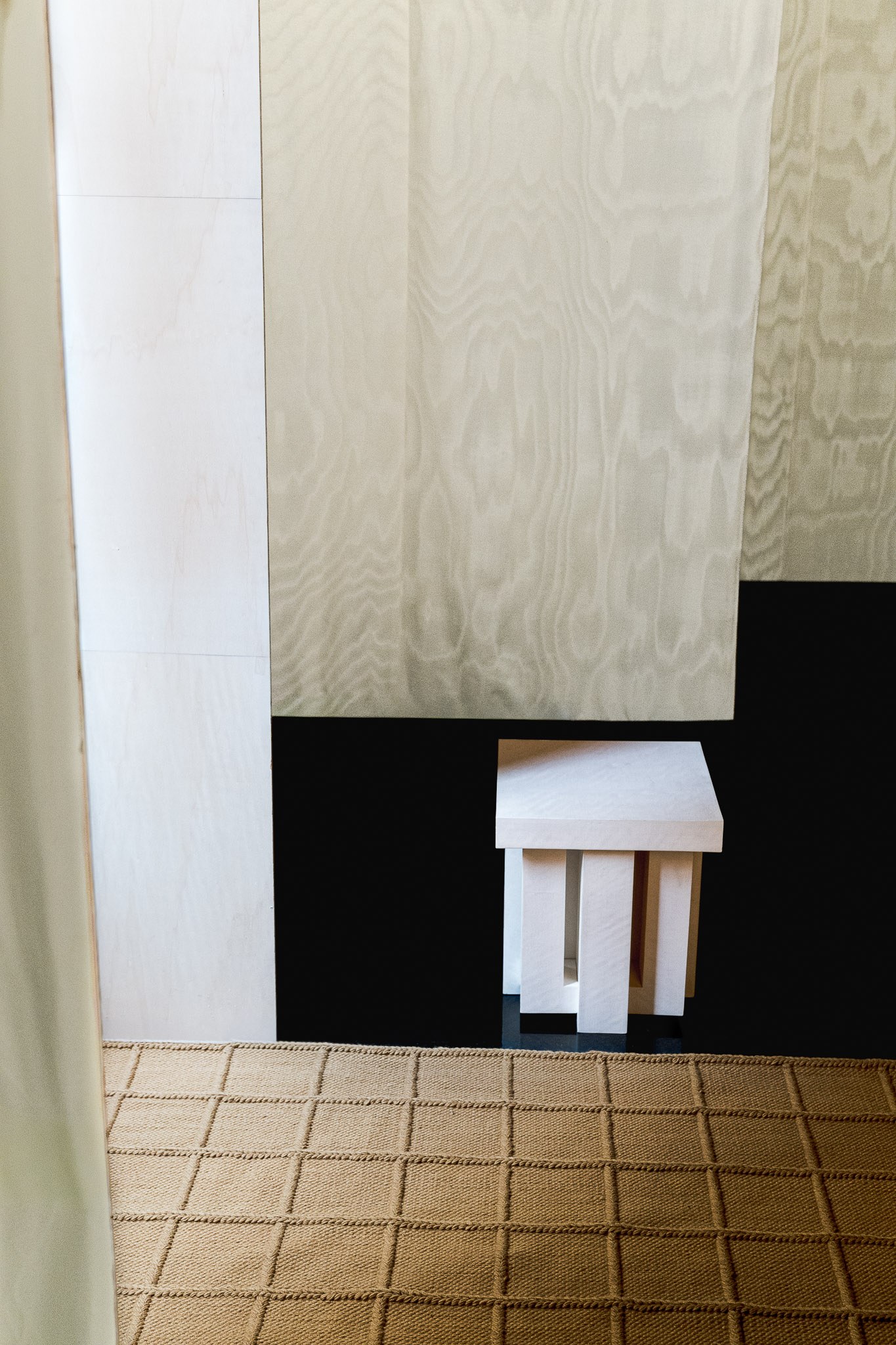
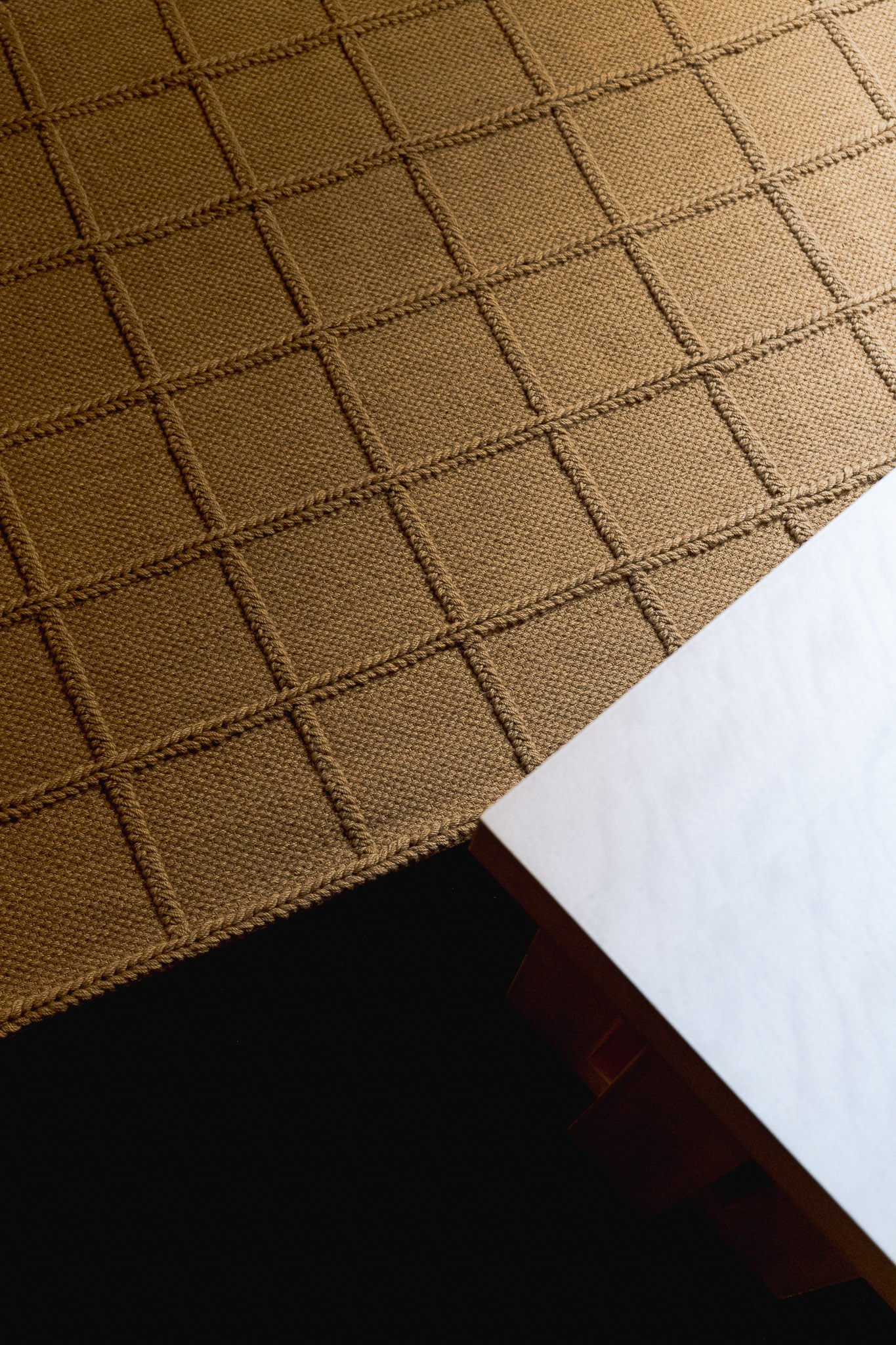
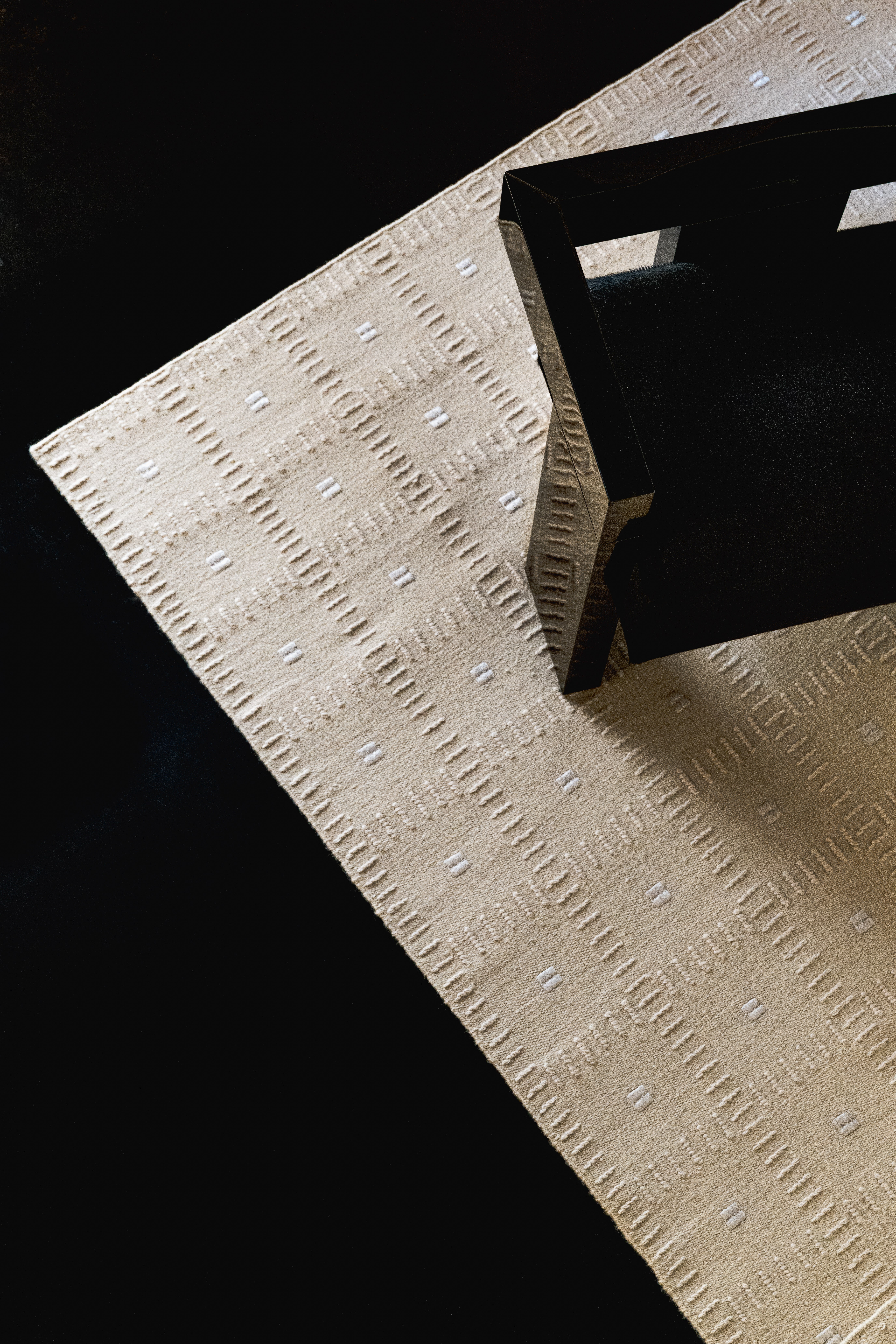
Handloom techniques, hand-embroidered details, and knotted constructions coexist within the collection, contributing to the making of each piece.
Before the Wall, the Ground
A meditation on the rug as architecture — for the launch of Dedalo
The rug may be architecture’s most primordial form: a surface that, before any wall is raised, already defines a place — a boundary drawn on the ground, protective in its simplicity.
All architecture begins with the partition of soil, with the idea of enclosure. The rug is the first object through which space acquires meaning — by concluding. Laid on the ground, or hung from the most elementary structure, it marks the limits of dwelling. It does not represent architecture. It preserves its origin: an enclosure made of matter, measure, and presence.
Perhaps architecture is not born of stone, but of textile. Long before walls divided space, woven surfaces were already defining a territory, a rite, a way of inhabiting.
We are drawn to architecture reduced to its essential gestures. The rug is one such gesture — a surface that, through measure, rhythm, and material, renders a space recognizable before it is even built.
The names within the collection — Cardo, Cnosso, Dedalo — summon ancient systems of orientation and spatial order. More than historical citations, they stand as archetypes: ways of thinking about order, passage, and dwelling. The Cardo was the axis around which the Roman city organized itself. A rug, in the same way, can become the silent axis around which a room finds its order.
For us, the rug is not an object placed within architecture — it is an architectural act in itself, one capable of tracing a territory and inviting us to inhabit it.
Architecture does not begin with walls. It begins with the gesture that gives space its measure. The rug may be architecture’s most elementary form: it defines a place before it ever encloses one.
It is architecture without walls. It delimits without dividing. It welcomes without containing. It draws a place before it is ever furnished.
— Studioutte